
Email vs WhatsApp vs SMS Marketing in India: Which Works for a Small Business?
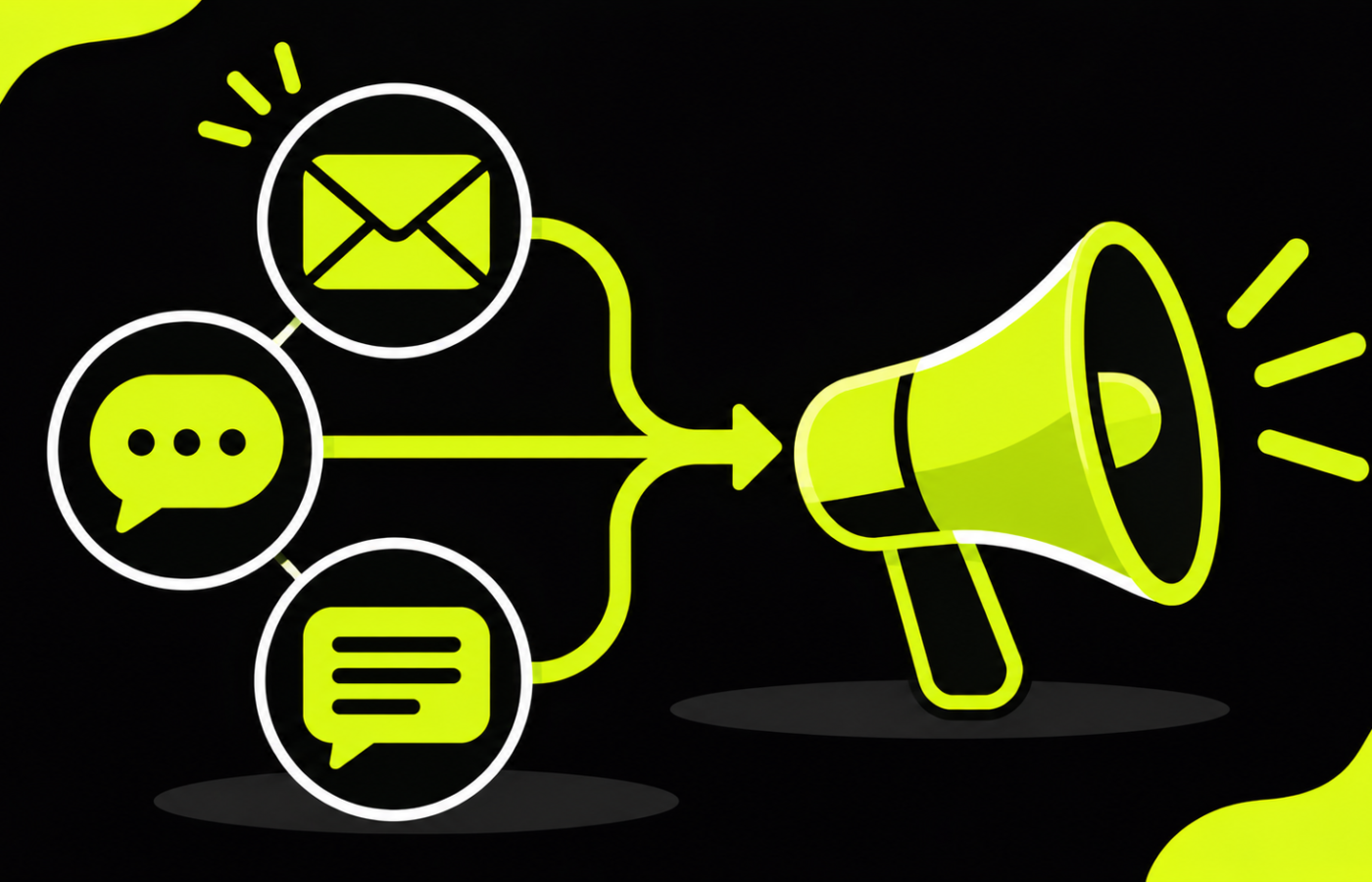
Business owners often ask: “Should I use email, WhatsApp or SMS to reach customers?” Each works, but not in the same way, and each has rules in India. Here is how to choose.
Quick comparison
| SMS | |||
|---|---|---|---|
| Best for | Conversations and offers to existing customers | Alerts, reminders, short offers | Longer updates, invoices, newsletters |
| Format | Text, photos, catalogue | Plain short text | Rich design, links |
| Permission needed | Yes, customer must agree | Yes, and registration | Yes |
| Cost | Free app, charges on API | Per message | Low per email |
| Opens | Usually quickly | Usually quickly | Varies a lot |
Strengths. Most customers already use it. You can send photos, a catalogue and a link, and customers can reply in one tap. It suits local businesses well.
Limits. You should message only customers who contacted you or agreed to hear from you. Unofficial bulk-sending tools risk your number being restricted. For larger volumes and automation you would use the WhatsApp Business Platform. See our comparison of the WhatsApp Business app vs API.
Use it for: order updates, appointment reminders, festival offers to opted-in customers and answering questions.
SMS
Strengths. It reaches almost every phone, with no internet needed, and it is good for short, time-sensitive messages such as OTPs, reminders and payment alerts.
Limits. In India, commercial SMS must follow telecom regulations. Senders typically need DLT registration for their business, message headers and approved templates, which an experienced provider can handle. Messages are short, and you cannot easily include pictures.
Use it for: reminders, alerts, short offers and transaction messages. See our promotional bulk SMS service.
Strengths. Good for longer content such as a newsletter, a price list or an invoice. It is cheap, and you can link to detailed pages.
Limits. Many customers in smaller towns check email rarely, and messages can land in spam. It works best for business customers, online buyers and people who gave you an address on purpose.
Use it for: newsletters, invoices, receipts and updates to business clients.
Which should you pick?
- Local shop or clinic: WhatsApp first, SMS for reminders.
- Online store: email for receipts and updates, WhatsApp for order support.
- B2B supplier: email for quotes, WhatsApp for quick replies.
- Service business: WhatsApp and SMS reminders, which cut missed appointments.
Rules that apply to all three
- Get permission. Collect consent when you collect a phone number or email.
- Say who you are and what you will send.
- Make unsubscribing easy, and honour requests.
- Do not buy lists. Bought numbers bring complaints and blocked senders.
- Do not message at odd hours.
- Keep records of how and when consent was given.
Keep it relevant
Segment your list so people get messages that fit them: new customers, regular customers, and people who have not bought for a while. One relevant message beats five generic ones.
Measure it
Track replies, orders and unsubscribes, not just messages sent. See our guide to tracking leads properly.
Need help?
We run WhatsApp, SMS and email campaigns for local businesses. See our bulk SMS service and social media services.